Case study
La Varangue Booking without going through a middleman
A hotel that does not take its own bookings pays somebody else to take them. We modernised the La Varangue site, built in direct booking, and delivered the mobile app that carries on through the stay.
The context
La Varangue is a boutique hotel in Antananarivo — a former family creole house, fifteen rooms around a garden, a fine-dining restaurant. It had a website, and the website had aged.
For an establishment of this kind, a dated site does not merely cost an impression: it costs bookings. A hotel with character sells a promise of atmosphere, and a 2015 layout contradicts that promise before the first photograph. The visitor does not think “this site is old” — they think “the hotel must be too”.
The second problem was more direct. With no online booking, every guest the site convinced had to go and book somewhere else: a form to fill in, a call to make, or — most often — a third-party platform taking its commission on the way past. The hotel paid to persuade, then paid again to collect.
What we produced
A complete rebuild, with direct booking and a mobile app.
Modernising without erasing
The layout, the imagery and the overall look were reworked to give the site a contemporary feel — while keeping the character that makes La Varangue what it is.
That is the constraint in every rebuild of a hotel with a past, and it can be missed in both directions. Too much respect for what was there and you carry forward exactly what was ageing; too much modernity and you get a clean, efficient, interchangeable site — precisely what a boutique hotel does not sell.
Booking, at home
We built in an online booking function: checking availability and reserving in a few clicks, directly on the site.
It is not just one more channel. It is the only channel where the hotel keeps the margin, the customer data and the relationship — the three things a third-party platform rents out instead of handing over.
Navigation that answers the real questions
Rooms, services, offers: the information was organised around what a traveller looks for before booking. A hotel site that describes the property without answering the booking questions is producing a brochure, not doing business.
A mobile app
Alongside it, a mobile app was developed to book and manage a stay from a phone. It carries the site on past the point where a browser stops: during the stay, once the guest has arrived.
What it changes
The hotel has taken back control of its own funnel. It persuades on its site and it collects on its site — instead of persuading at home and collecting at an intermediary’s.
For an establishment with a fixed number of rooms, that is the only growth available: not more guests, but more value kept on each one.
More work
Also worth a look
Hamac
Hamac – Selling outdoor advertising to people who live online
An advertising broker whose inventory sits in places rather than on billboards. We built the site that collects already-qualified quote requests — then, month after month, the content that argues for outdoor advertising where the advertisers actually are: online.
Jeune Patronat de Madagascar
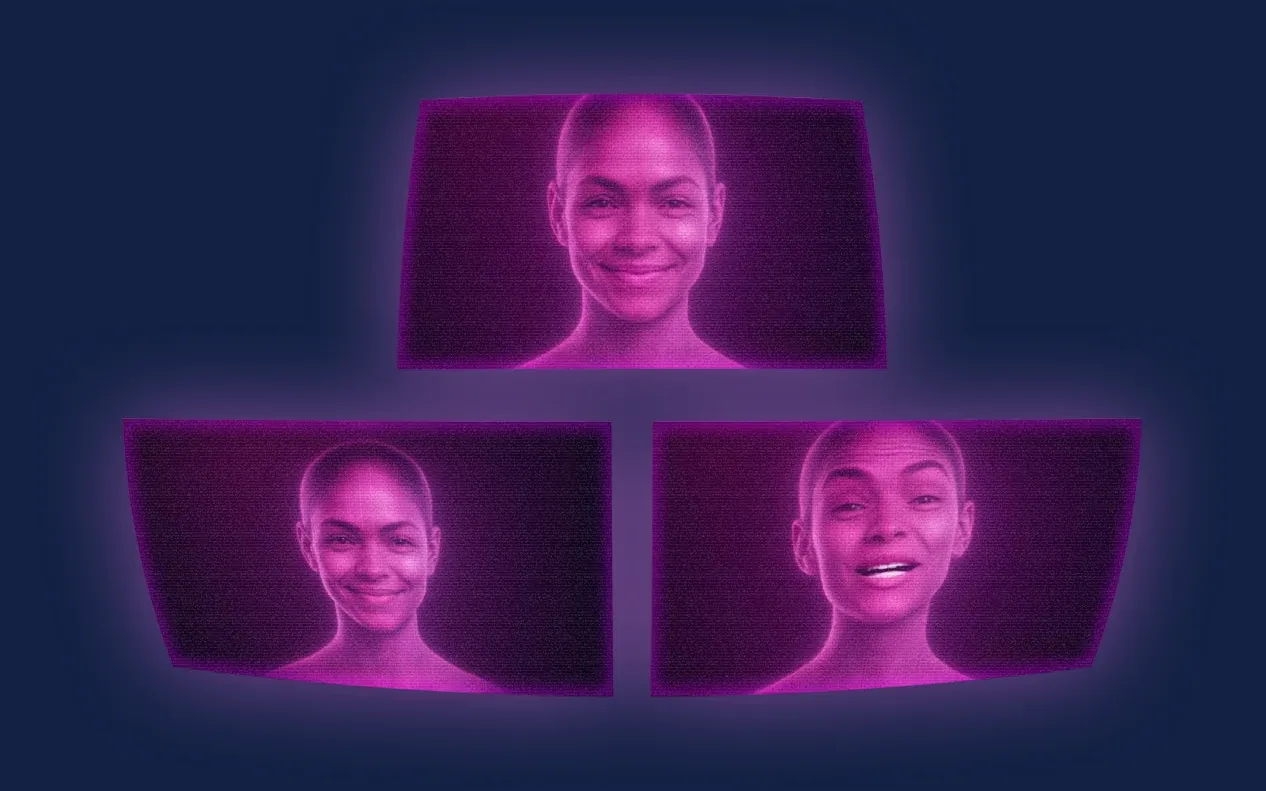
Jeune Patronat de Madagascar – Making a first edition feel like a fixture
The Jeune Patronat de Madagascar was launching its first major entrepreneurs' gathering. In three months Takamoa built the whole thing — identity, content, video, landing page, campaigns — and handed the stage to a host created with artificial intelligence.
Jeune Patronat de Madagascar
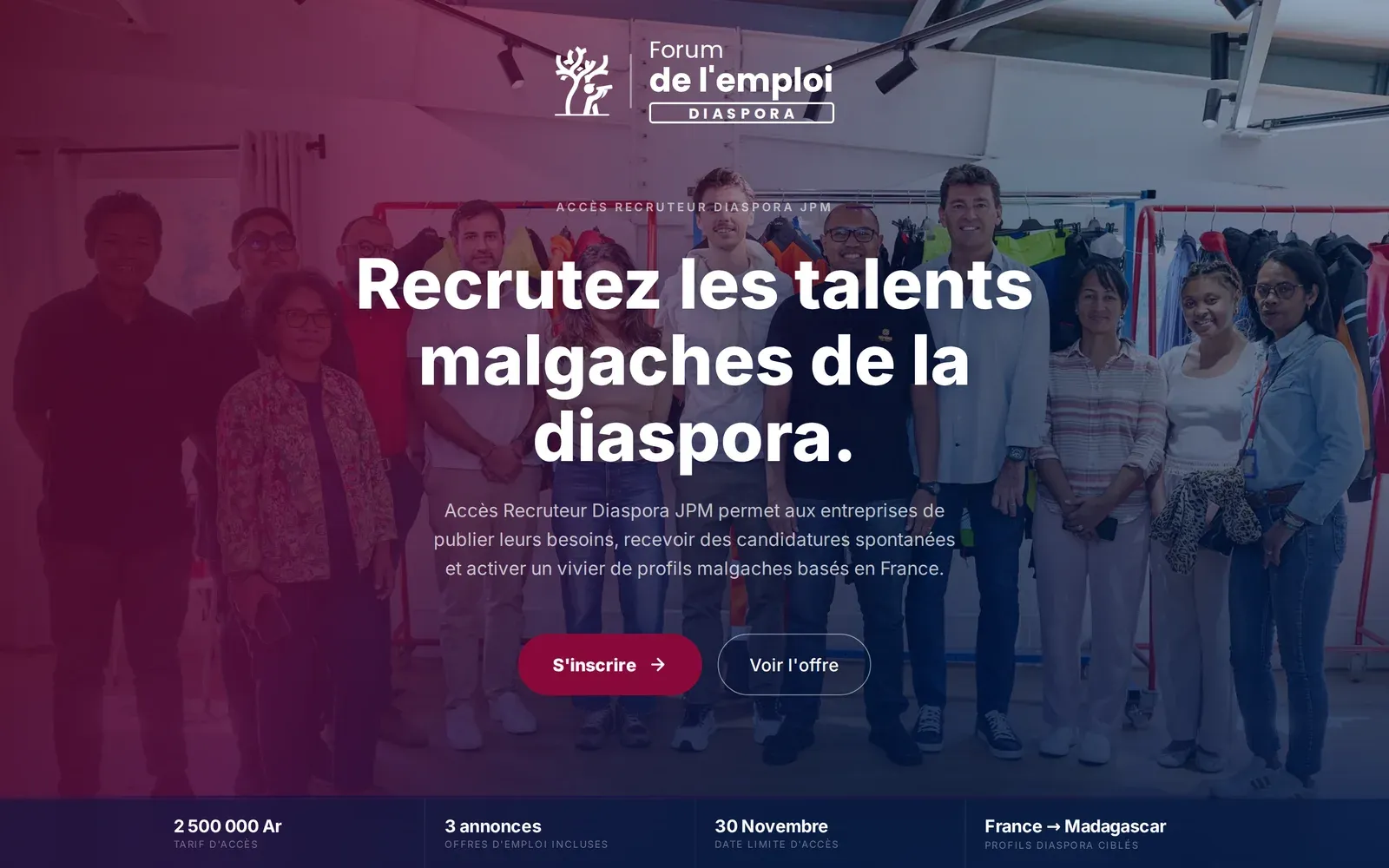
Jeune Patronat de Madagascar – Recruiting at the forum without flying to Paris
The Diaspora job forum brought Malagasy companies and diaspora talent together in Paris for a job-dating event. We built the platform that stretches those two days into five months, and opens them to the companies that could not make the trip.